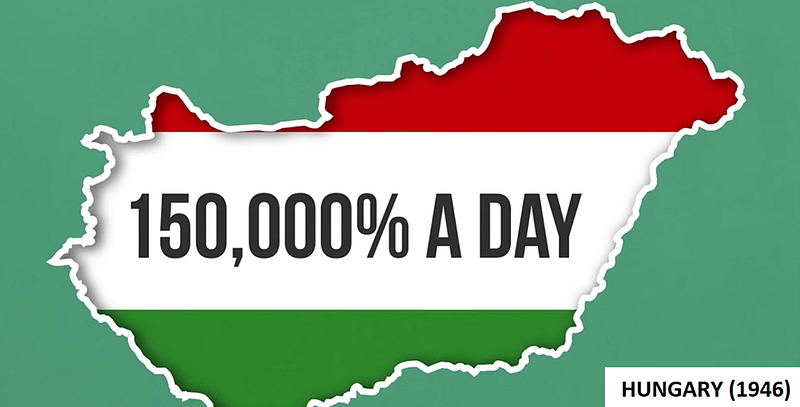
Do you know in 1941 in Hungary inflation reached 150,000% each day. A jelly bean that cost 10 pounds on Monday morning would therefore cost the equivalent of 150 pounds on Tuesday morning and 225,000 pounds on Wednesday morning. That is the power of inflation.
One of the oddest things about economic life is that the prices for things keeps rising. incomes and prices in the past were amazingly different from what they are today.
Mr.A supposed to have been one of the richest people in India it’s 1900 and his income is 10,000 Rs. a year today that’s less than half of what a primary school teacher straight out of college would earn, isn’t it?
So what does inflation happen and should we worry if it does?
There are basically three reasons:
1) Cost-push inflation:
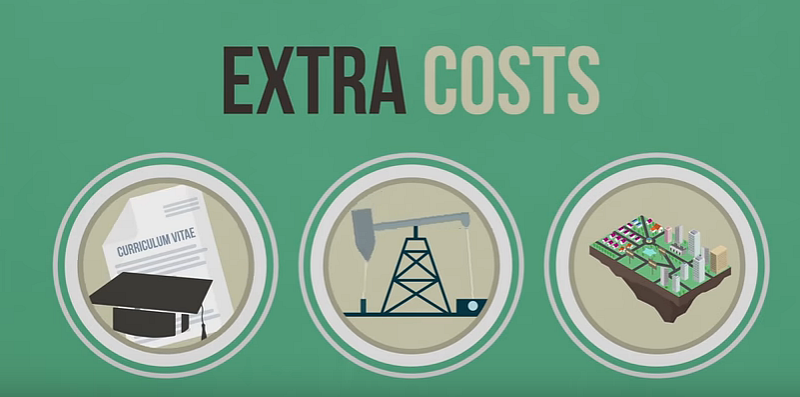
The first is what economists call cost-push inflation this is where the costs to businesses rise and are then passed on to customers. There can be a lot of reasons for these Rises. firstly raw materials especially oil might get more expensive for a very nice reason because a lot of countries are developing and doing well.
Secondly workers might be asking for more money and succeeding either because they’ve organized themselves well politically or because schools and colleges haven’t been training enough workers in the skills that companies need. Thirdly land rents might be increasing because not enough factories and offices have been built which tends to come down to political failures around building permits the result of all this is that businesses then push their extra on to the consumer by raising prices they don’t want to it’s a scary move but they have no choice they’d go out of business.
2) Demand inflation:
The second kind of inflation is called demand inflation this is when there are increases in the number of people who want something whose supply can’t keep up. The most common cause of demand inflation is an otherwise rather nice thing that people are getting richer and have more money to spend that’s why government can cause inflation by lowering taxes. Everyone loves tax breaks because they raise disposable income but in the longer term raising demand can also cause price rises thereby negating some of the initial boost of the tax break.
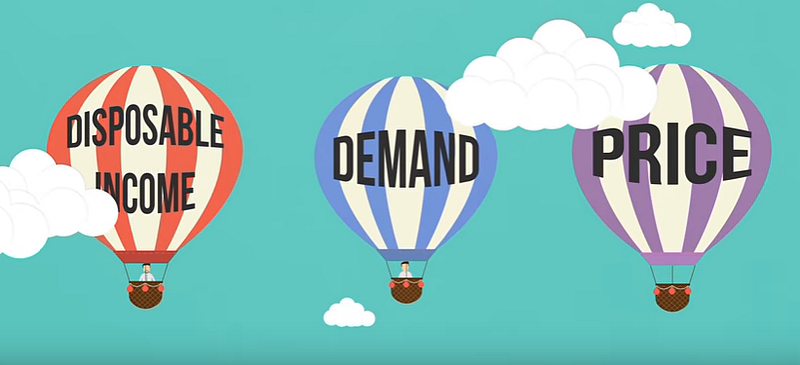
Similarly a fallen interest rates may cause short-term pleasure and long-term inflationary pressure. If interest rates on loans or mortgages fall we might be tempted to take out a loan to buy the new car we’ve always wanted but the car company sensing solid demand will soon enough jack up the price. If banks and governments inject more cash and credit into the economy people have more money to spend but if they’re all chasing the same number of goods as before it just means they can all offer more for the same.
3) Government’s printing money:

The third classic cause of inflation is government’s printing money. There’s a deep logic behind this idea which can at first sound almost criminal. Governments often want to stimulate the economy to create more jobs so they print more money this can be done literally by increasing the number of notes in circulation or they can do it by increasing government debt or by letting banks make bigger loans on the same security.
In all these cases the amount of money in circulation increases but there’s a big problem because after a while it means the worth of every note starts to fall because more notes are chasing the same number of things to buy there’s more money about but it doesn’t buy you more it just pushes up prices.
Why is inflation such a problem the real problem?
If everything went up by hundred percent a year and so did everyone’s income and it was all totally steady and predictable it would be weird but it wouldn’t actually do any harm.
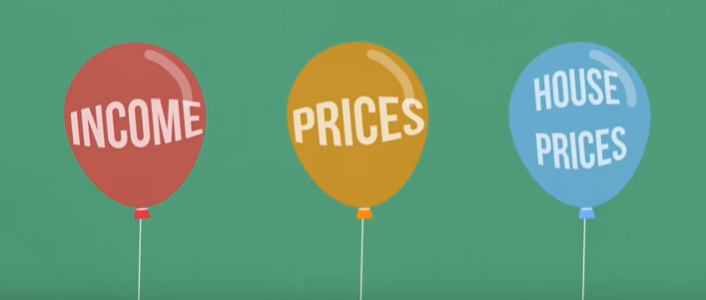
The harm comes from the fact that not everything changes at the same rate.
Cost of materials, cost of labour, productivity, taxes, falling or rising exchange rates, again falling or rising a growing domestic economy, a neighboring economy that’s growing falling interest rates, the buying of government bonds or the printing of money in the end we may have to accept that inflation is a bit like the weather or our own moods something that’s inherently rather unstable something whose ups and downs we must endure even as we try to mitigate the extremes learning to live with inflation belongs to wisdom.
For more articles, join Free Telegram Channel | t.me/equityboxx

 Everything you need to know about Indian economy is here. (In layman's term)